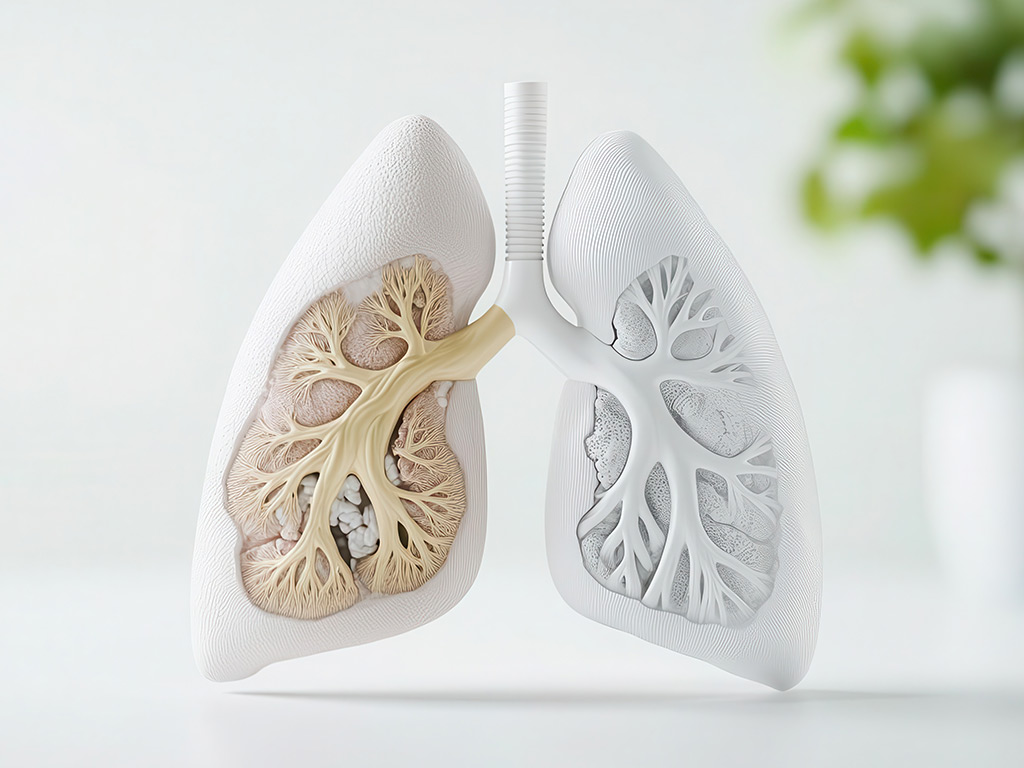
Indoor air pollutants increase inflammation in lung tissue of individuals with COPD, as well as increase COPD symptoms and lower lung function. It is imperative that individuals with COPD take steps to improve their indoor air quality, especially particulate matter. Fortunately, there are steps you can take to improve indoor air quality and reduce particle pollution in your home.
Particulate matter are small airborne particles, including things like dust, tobacco smoke, diesel emissions, combustion exhaust, pollens, pet dander, mold spores and more. Particulate matter (PM) are so small they can travel all the way to the lung’s air sacs (called alveoli). Once in the alveoli, particulate matter can irritate and corrode the walls, damaging the lungs and causing lung disease. The smallest particles can even cross from the alveoli into the bloodstream. These pollutants, at high levels, have been linked to an increased risk of stroke and heart attack.
Learn more about how indoor air pollutants impact your lungs
Here are some simple steps that you can take to eliminate pollution, improve ventilation and make your indoor air cleaner:
- Invest in an air quality monitor. That way, you can know if there’s a problem.
- Keep pollutants out of your home. That means no smoking indoors, no burning fires or candles, no use of scented sprays or air fresheners, and being careful when using cleaning products.
- Clean frequently and use a vacuum with a HEPA filter.
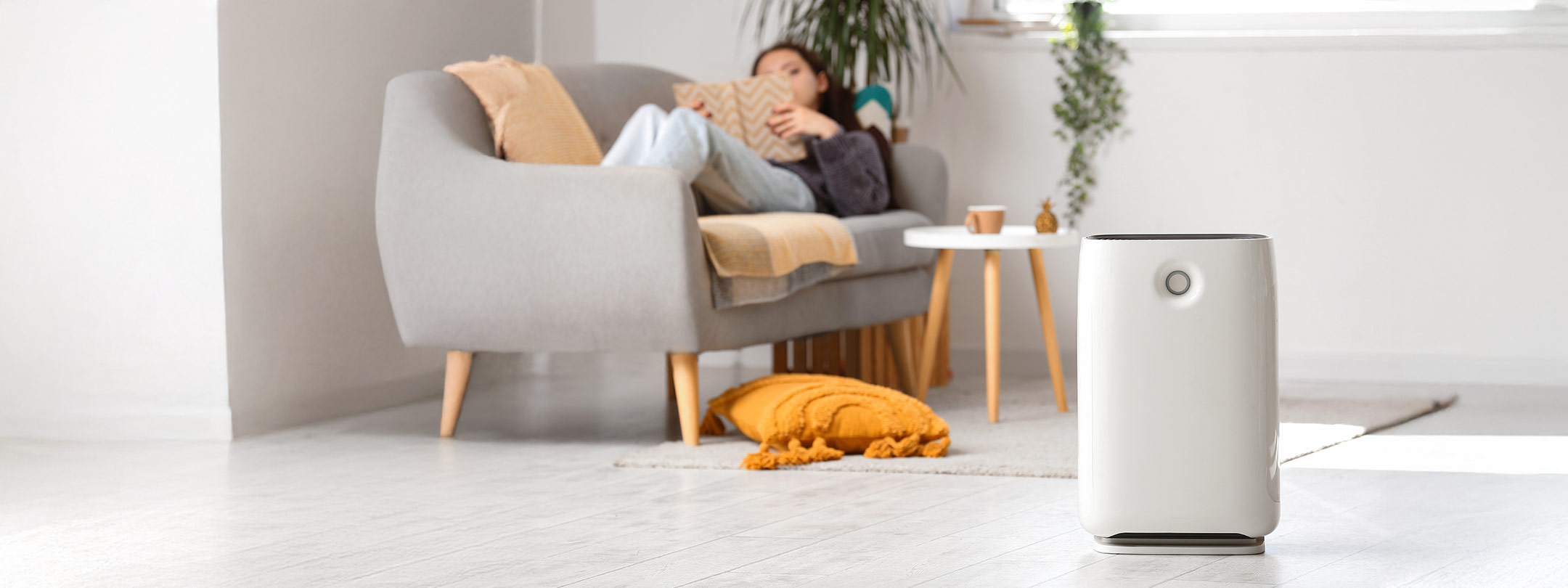
- Use an indoor air purifier.
- On days with good air quality, open your windows for at least fifteen minutes to bring in clean, fresh air from the outside.
- If you’re coming into contact with pollutants, wear an N95 mask to keep yourself safe.
- When going outside, avoid bad air quality days, and exercise in places where the air is fresh, not near busy highways.
Need help finding a provider to help manage your COPD? Visit selecthealth.org/find-care or call our Select Health Member Advocates team for support and guidance at 800-515-2220. TTY users call 711.
- Weekdays from 7:00 a.m. to 8:00 p.m.
- Saturdays from 9:00 a.m. to 2:00 p.m.
The content included in these blogs is for your information and is not a substitute for professional medical advice. It should not be used to diagnose or treat a health problem or disease. Please consult your doctor if you have any questions or concerns. Additionally, the information in these blogs does not guarantee benefits. To review your benefits, please reference your plan materials or call Member Services at 800-538-5038, weekdays, from 7:00 a.m. to 8:00 p.m., and Saturdays, from 9:00 a.m. to 2:00 p.m., closed Sundays. TTY users call 711.
Related Articles